Explore the Essential Services Offered by a Professional Arborist for Optimal Tree Health
A professional arborist offers a range of services crucial for ensuring tree wellness and beautifying outdoor spaces. Their expertise in tree pruning stimulates development and reduces risks. They also diagnose and manage tree diseases, ensuring tailored treatment plans are established - Florence Arborist. Additionally, arborists manage secure tree removal and aid in planting and transplanting. Their role is even more vital during urgent times such as storm damage. Being aware of these services can profoundly influence one’s approach to tree care
The Necessity of Tree Pruning
Although many homeowners may overlook the need for tree pruning, it serves a vital function in maintaining the health and aesthetics of trees. Proper pruning helps trees develop a sound framework, taking away dead or sick branches that could pose risks. By carefully cutting branches, the tree can focus its energy on healthy growth, promoting better air circulation and sunlight penetration. Additionally, pruning can improve the look of the tree, forming it for visual beauty in residential landscapes.
Moreover, regular pruning can avoid possible dangers, such as dropped branches during storms or high winds, which could cause property destruction or injure individuals. It also assists in avoiding of insect problems and diseases by improving the tree's resilience. Ultimately, hiring professional arborists for tree pruning guarantees that trees remain healthy, safe, and aesthetically appealing, contributing considerably to the overall beauty and value of the property.
Diagnosing and Managing Tree Diseases
Tree health can be significantly impacted by a range of diseases that may not always be instantly obvious. A professional arborist is crucial in identifying these issues promptly, utilizing a combination of visual inspections and testing equipment. Symptoms such as leaves changing color, wilting, or irregular growth shapes often indicate hidden health problems. Arborists examine these indicators to identify specific diseases, whether fungal, bacterial, or viral in nature.
Once diagnosed, the professional designs a bespoke care program. This may include focused interventions, such as fungicides or bactericides, and cultural practices that boost the tree's resistance. Furthermore, adequate irrigation, mulching, and nutrition helps greatly enhance the vitality of the tree and resistance to diseases. Consistent observation and follow-up treatments are essential for effective management, securing the long life and health of the trees. By addressing tree diseases proactively, professionals preserve the ecological advantages and visual appeal of thriving trees.
Safe Tree Removal Practices
Safe tree extraction techniques are critical for securing the safety of the crew and limiting harm to surrounding property. Professional arborists employ a thorough assessment of the state of the tree, where it is situated, and the immediate vicinity before beginning the felling process. They utilize specialized equipment, such as rigging equipment and chainsaws, to ensure accurate cutting and control during the felling process.
A carefully designed extraction plan involves spotting possible dangers, such as nearby buildings or utility lines, which can affect the security of the job. Arborists often use a technique called "sectional dismantling," in which the tree is removed in small sections, reducing the risk of falling debris.
Moreover, professionals comply with municipal guidelines to ensure adherence and responsible environmental care. Following the extraction, proper cleanup and disposal of the tree debris, stump treatment as well, help improve the overall security and visual appeal of the area.
Tree Planting and Relocation
Planting and transplanting trees requires careful consideration of choosing the location and planting techniques to ensure future vitality and growth. Choosing the correct site significantly influences a tree's development, while proper planting methods minimize stress and aid in successful rooting. Arborists emphasize these factors as vital for boosting the health and lifespan of trees in various settings.
Selecting an Appropriate Site
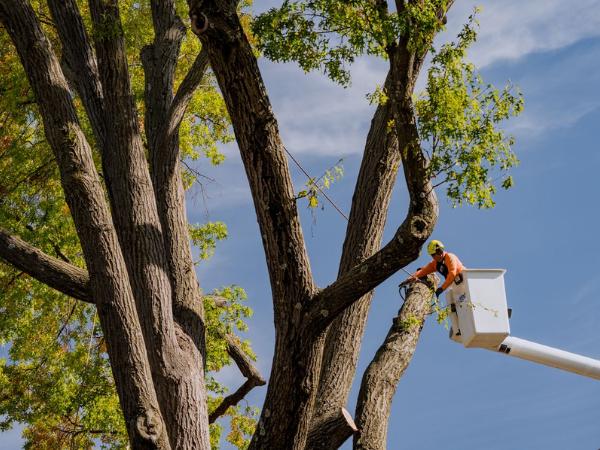
Selecting an appropriate site for planting or transplanting trees is vital for their future development and vitality. Considerations including the condition of the soil, the amount of sun, and water runoff must be thoroughly assessed. Certified arborists evaluate the location's features, to guarantee that the selected area provides adequate nutrients and stability for the specific tree type. Additionally, the nearness to established constructions and surrounding flora is essential to prevent competition for resources and steer clear of future injury. Arborists also consider the tree’s maximum height and width and root system, guaranteeing enough area for development. Through a comprehensive site evaluation, arborists enable clients make informed decisions that encourage strong, successful trees, which boosts the landscape’s aesthetic and ecological value.
Ideal Planting Techniques
After the location is thoroughly evaluated and chosen, the next step involves employing ideal planting techniques for trees. Meticulous digging of the hole is essential; it should be double the diameter of the root system and not deeper than the root mass. It is necessary to set the tree in the hole so that the upper surface of the roots aligns with the existing grade. Fill the hole with local earth, checking that all voids are filled, and soak the area well to encourage early root growth. Mulching around the base helps retain moisture and inhibit unwanted growth. Florence Arborist. When relocating established trees, care must be taken to reduce root trauma and move the tree while it is inactive for the best chance of survival. Following these techniques encourages strong vitality and extended health
Responding to Storm-Related Tree Hazards
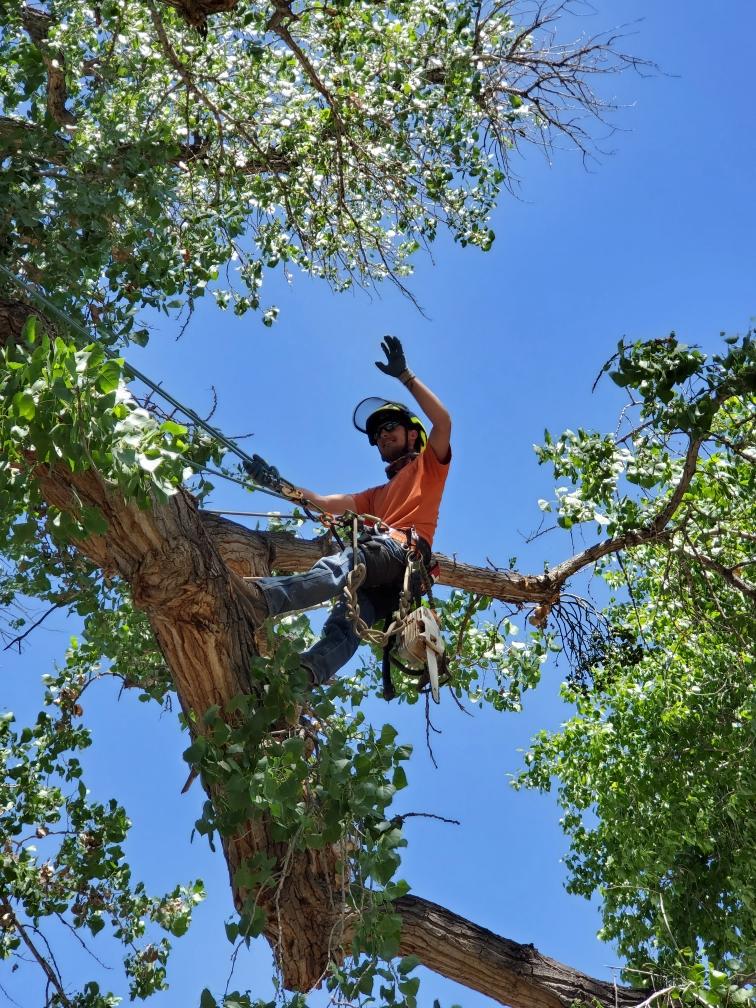
When severe storms strike, the aftermath can leave trees in perilous conditions, endangering structures and security. Trained arborists are essential in emergency response, evaluating storm-damaged trees to check how safe and healthy they are. Their expertise allows them to identify which trees are recoverable and which present immediate dangers that need to be taken down.
Using professional equipment, they can carefully cut damaged boughs and haul away refuse, preventing subsequent injury to adjacent property. The experts also give useful recommendations on precautionary steps, such as picking durable tree varieties for future planting.
Beyond just quick action, professionals guide property owners through the potential long-term effects of storm damage, providing advice for restoration and healing. By acting swiftly and efficiently, professional arborists not only protect property but also help in the renewal of the local environment after severe storms.
Nutrient Assistance and Soil Management
Following the aftermath of storm damage, the priority becomes the health of remaining trees, emphasizing the necessity of nutrient assistance and soil management. A qualified tree expert assesses ground quality and tree vitality to figure out exact dietary needs. Trees require essential nutrients, like nitrogen, phosphorus, and potassium, to bounce back and flourish post-stress incidents.
Earth maintenance plays an essential role in nutrient availability and root development. Arborists may recommend soil resource amendments, like organic matter, to improve the ground's composition and microbial activity. Proper pH levels are also assessed, as they influence nutrient uptake.
Applying mulch can improve moisture retention and prevent weed growth, making a suitable condition for tree recovery. By developing a thorough nutritional plan and using smart soil maintenance methods, arborists guarantee trees recover their vigor, resilience, and total well-being, a factor essential to maintaining a balanced ecosystem after ecological disruptions.
Common Queries
What is the Recommended Inspection Frequency?
Trees should be checked annually for optimal condition. Nevertheless, more frequent evaluations could be needed for younger trees, following harsh storms, or if any signs of distress or disease are observed.
Which Credentials Should I Seek in an Arborist?
When seeking an arborist, one should prioritize certifications such as ISA (the ISA) accreditation, applicable work history, proper liability insurance, and a good standing locally, ensuring expertise in tree care and safety practices.
Are There Specific Tools Arborists Use for Tree Care?
Arborists employ a range of unique equipment for tree care, such as chainsaws, pruning shears, climbing gear, and stump grinders. Each tool serves a specific purpose, allowing for proper upkeep, pruning, and removal of trees and boosting total well-being and safety.
What is the Influence of Climate on Tree Health?
The climate significantly affects tree health; excessive rain can lead to root rot, while lack of water weakens trees. Very high or low temperatures can damage leaves and branches, consequently impacting development, resilience, and total vitality of the trees.
Am I able to care for my trees personally, or Do I need to call in a specialist?
While some basic tree care tasks are manageable by homeowners, it is usually recommended to hire an expert - Florence Arborist. Trained individuals carry specialized equipment and knowledge, making certain the trees obtain the proper care necessary for optimal development and health